In Uganda, solar power is not just about saving money or using clean energy. For many people, it is about keeping life moving when power is not available.
Anyone who has lived here knows the situation. One day the power is fine. Another day, the lights go off in the evening. A shop owner wants to keep working. A family wants lights at night. A clinic needs basic backup. A student needs to charge a phone or study after sunset.
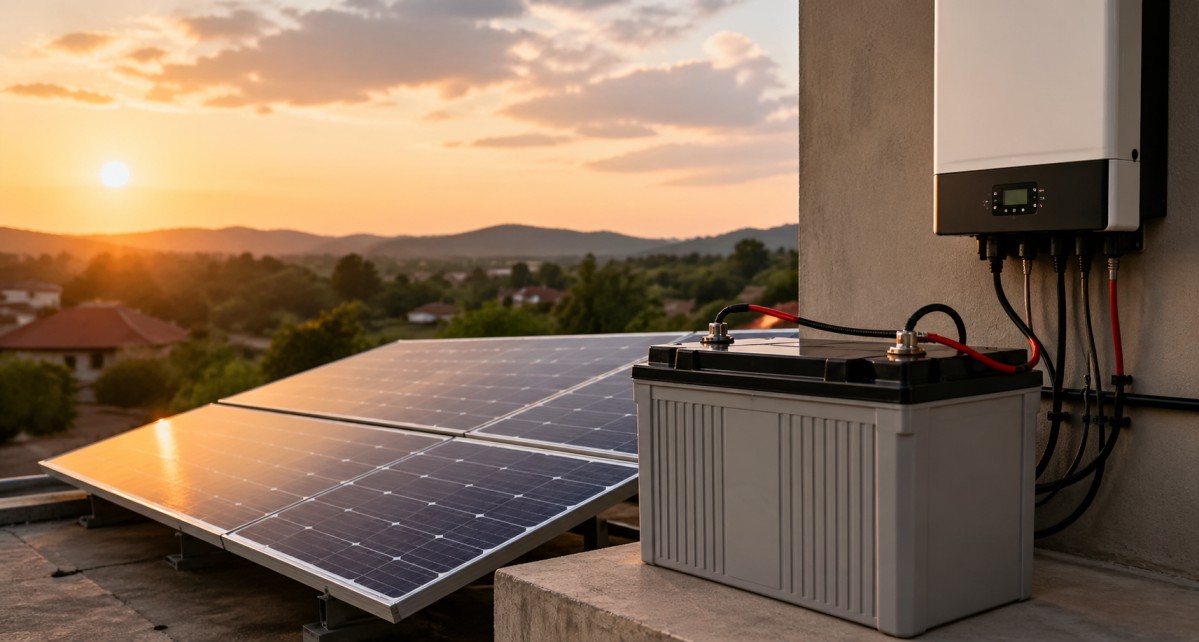
Solar panels help during the day. But once the sun goes down, the battery becomes the real hero of the system.
That is why a VRLA solar battery in Uganda makes practical sense. It stores the power collected during the day and gives it back when people actually need it.
What Is a VRLA Solar Battery?
VRLA means Valve-Regulated Lead-Acid battery.
In simple words, it is a sealed battery that needs less maintenance than old-style flooded batteries. You do not have to keep topping up water regularly. You also avoid many of the acid handling issues that come with traditional batteries.
For solar backup, this matters a lot.
People would not like to have a battery that requires much of their attention. People need batteries that will simply fit in the system and operate whenever there is the need for back up power. Therefore, the VRLA battery is more suitable in such applications.
Why Storage Matters in a Solar Setup
Many people focus only on solar panels.
That is understandable because panels are the most visible part of the system. You see them on the roof, and it feels like the job is done.
But panels only collect energy. They do not solve the full problem alone.
If the battery is weak, wrongly sized, or poor quality, the whole solar setup feels weak. Lights may not last long at night. The battery may drain too fast. Charging may not recover properly the next day. Then people blame the solar system, but often the real issue sits in the battery.
A good VRLA solar battery stores energy during the day and supports power when sunlight is not available. At home, that may mean lights, phone charging, TV, Wi-Fi, or small appliances. In a shop, it may mean lights, mobile charging, billing equipment, or security cameras. In an office or clinic, it may support basic equipment and daily work.
The use changes from place to place. But the need stays the same: reliable stored power.
Low Maintenance Helps Real Users
In many Ugandan homes and businesses, people do not want a battery that keeps asking for attention.
Traditional flooded batteries need more checking. Water levels need attention. Acid handling needs care. If the user forgets maintenance, the battery starts losing life.
A VRLA battery reduces that headache.
It gives a cleaner setup and needs less regular handling. This helps especially where users are not battery technicians. A shop owner, homeowner, or small office manager wants backup, not a new maintenance job.
Still, low maintenance does not mean careless use.
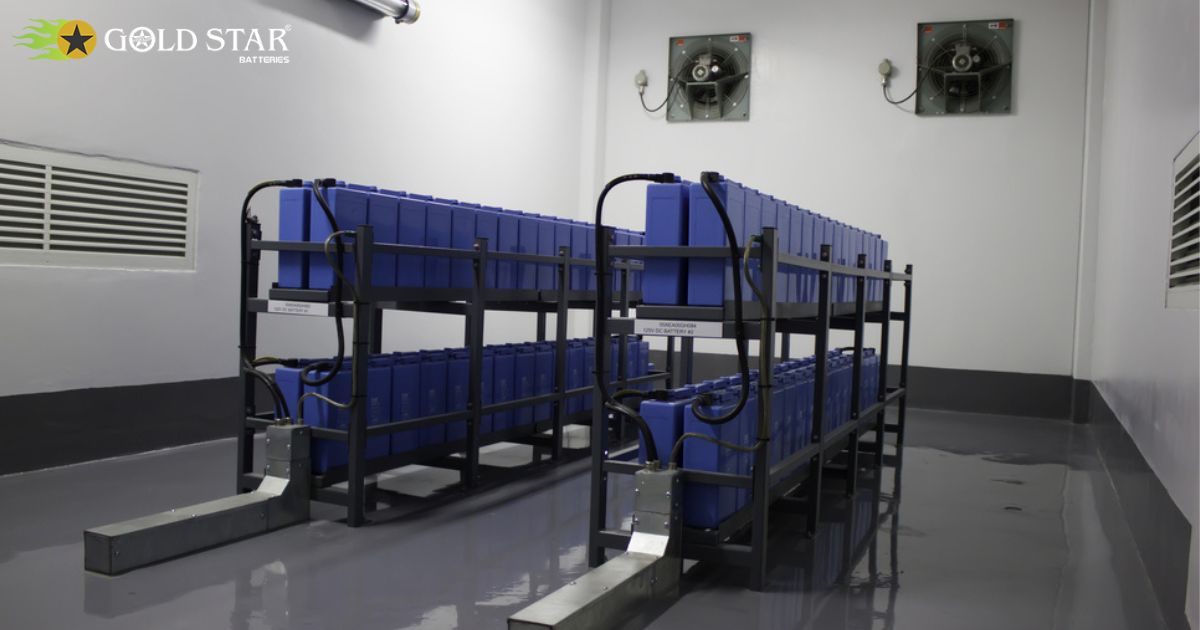
The battery needs proper installation. It needs correct charging. It should stay in a clean, ventilated place. It should not sit in extreme heat. The terminals should remain tight and clean. Also, the battery capacity should match the solar panel and the load.
Even a good battery can fail early if the setup is wrong.
Battery Size Should Match the Load
This is where many people make a mistake.
They buy a battery by price only.
But solar backup does not work like that. A small home, a shop, and a clinic do not use power the same way. One person may only need lights and phone charging. Another may need lights, Wi-Fi, TV, security cameras, and small appliances.
If the battery is too small, it will discharge deeply again and again. That reduces battery life.
If the battery is too large and the solar panel cannot charge it properly, the battery may stay undercharged. That also creates problems.
So before choosing a VRLA solar battery, users should check the load, backup time, panel size, charging pattern, and daily usage. Guesswork usually costs more later.
Why Gold Star Fits Solar Backup Needs
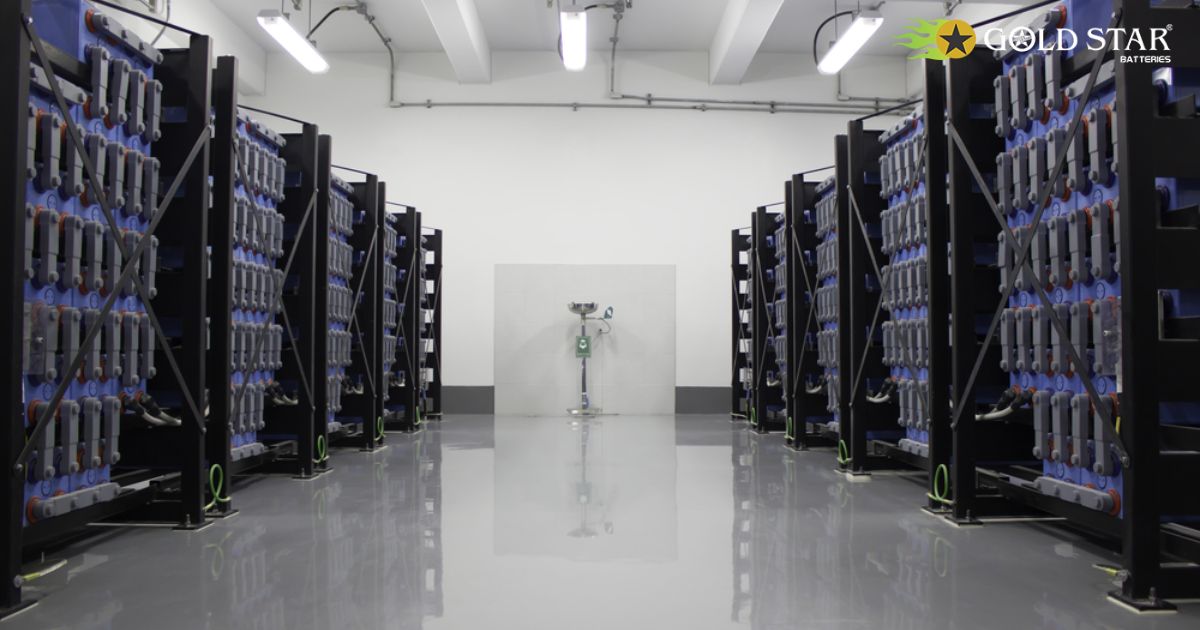
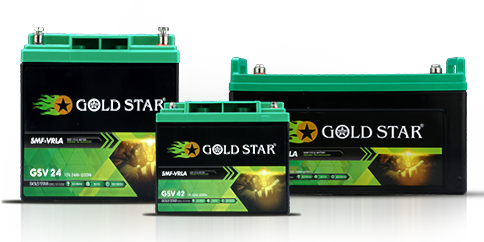
Gold Star Battery manufactures batteries for UPS and solar applications in Uganda, including VRLA solar battery options.
For users, this matters because solar backup is not only about buying any battery. It is about choosing the right battery for local usage. A battery in Uganda may face heat, daily charging, regular backup demand, and sometimes rough working conditions.
Gold Star focuses on batteries made for these real backup needs. The goal is simple: store power properly and give backup when the user needs it.
Not fancy claims.
Just practical power storage for homes, shops, offices, and solar users.
Final Thoughts
Solar power helps Uganda because it gives people more control over their energy. But panels alone do not complete the system.
The battery decides whether solar power remains useful after sunset, during weak sunlight, or when grid power is not available.
A VRLA solar battery in Uganda is a practical choice for users who want lower maintenance, cleaner installation, and dependable solar backup.
Solar panels collect the energy during the day.
A good battery makes that energy useful when life and work need to continue.