Batteries usually don’t complain. They don’t warn you either. They just keep working until they don’t. In Uganda, that moment often comes earlier than people expect.
Heat. Humidity. Power that isn’t always stable. All of it adds pressure, day after day. Slowly. Quietly. Most users realise something is wrong only when the inverter starts struggling or the backup time suddenly feels too short.
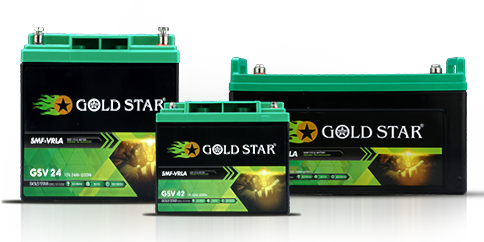
People working with Solar Battery Manufacturers in Uganda, Gold Star, see this pattern again and again. And honestly, the causes are rarely mysterious.
In this blog, let’s learn how to maximize solar battery lifespan in Uganda’s tropical climate
Heat and Humidity Do More Damage Than You Think
Uganda isn’t “warm.” It’s consistently hot. That matters.
Inside a battery, heat speeds everything up. Chemical reactions move faster. Electrolyte levels drop quicker. Internal plates age sooner than they should. None of this happens overnight, which is why it’s easy to miss.
Humidity adds its own problems. Moisture finds its way into terminals. Connections start corroding. Resistance builds up. From the outside, the battery may look perfectly fine. Inside, though, performance is already slipping.
This is exactly why experienced Solar Battery Manufacturers in Uganda focus so much on sealed designs and corrosion-resistant materials. Without those, even a good battery struggles here.
Irregular Charging: The Hidden Stress
Now, throw in irregular charging. Cloudy days reduce solar output. Generators overcompensate. Batteries swing between undercharge and overcharge. Sulfation sets in. Capacity falls.
Even the best batteries fail under this. Gold Star uses proper charge controllers and monitoring. You know, it sounds small but it’s the difference between a battery that lasts five years and one that dies in two.
Design and Engineering: Build It Right
Weak design makes things worse. Thin plates, flimsy casing, poorly balanced electrolytes they all crack under tropical conditions.
Gold Star, like other expert Solar Battery Manufacturers in Uganda, uses thick plates, robust casings, and precise chemistry. It’s not flashy. It’s practical. The difference? A battery that lasts years instead of months.
Maintenance: The Human Touch
Small, consistent care helps a lot:
- Clean terminals occasionally.
- Keep airflow around the battery.
- Watch charging cycles; avoid deep discharges.
Do this, combine it with climate-ready batteries, and your system runs reliably for years.
Conclusion: Longevity Is Predictable
Batteries don’t fail suddenly. In tropical climates, they fade. Gradually. Predictably.
When you use climate-tested batteries, charge them correctly, and maintain them properly, lifespan improves naturally. Working with experienced Solar Battery Manufacturers in Uganda makes that process much easier.
Gold Star focuses on durability that actually works on the ground not just on paper. For homes and businesses in Uganda, that kind of reliability isn’t a luxury. It’s necessary.
Explore Gold Star’s range of climate-tested batteries
FAQs
Q1. Can all solar batteries survive tropical climates?
No. Only those built for heat and humidity perform reliably.
Q2. How does proper charging extend battery life?
It prevents sulfation and keeps capacity intact longer.
Q3. Why choose Gold Star Battery?
They combine expert engineering, climate-aware design, and proven materials, making them top Solar Battery Manufacturers in Uganda.
Q4. How often should batteries be checked?
Monthly checks of terminals, airflow, and charging cycles prevent surprises.